The 7 characteristics of a website that truly converts
A beautiful website is not enough. Discover the 7 characteristics that make the difference between visitors who click away and visitors who become customers.
Tom
Fusey
Your website looks gorgeous. Modern colours, sleek typography, beautiful photos. But your phone is not ringing and your contact form remains empty. Sound familiar? Then something crucial is missing: conversion power.
A website that converts is more than a digital business card. It is a sales machine that convinces visitors, builds trust and drives action. In this article we share the seven characteristics that make the difference.
1. A crystal-clear offer above the fold
You have less than five seconds to convince a visitor they are in the right place. What they see without scrolling, "above the fold", determines whether they stay or leave.
An effective hero section contains:
- A compelling headline that addresses your target audience's problem or names the solution
- A supporting sentence that explains what you do and for whom
- A clear call-to-action that tells them the next step
Avoid vague headlines like "Welcome to our company" or "We offer solutions". Be specific. "Professional websites for SMEs, online within two weeks" immediately tells what you offer.
2. Strategically placed call-to-actions
A common mistake: the only call-to-action is at the bottom of the page. By the time a visitor gets there, the momentum is long gone.
Place your CTAs at strategic moments:
- Directly in the hero section (for quick decision makers)
- After explaining your services (when the value is clear)
- After social proof like reviews (when trust has been built)
- At the end of the page (for thorough readers)
3. Speed as a foundation
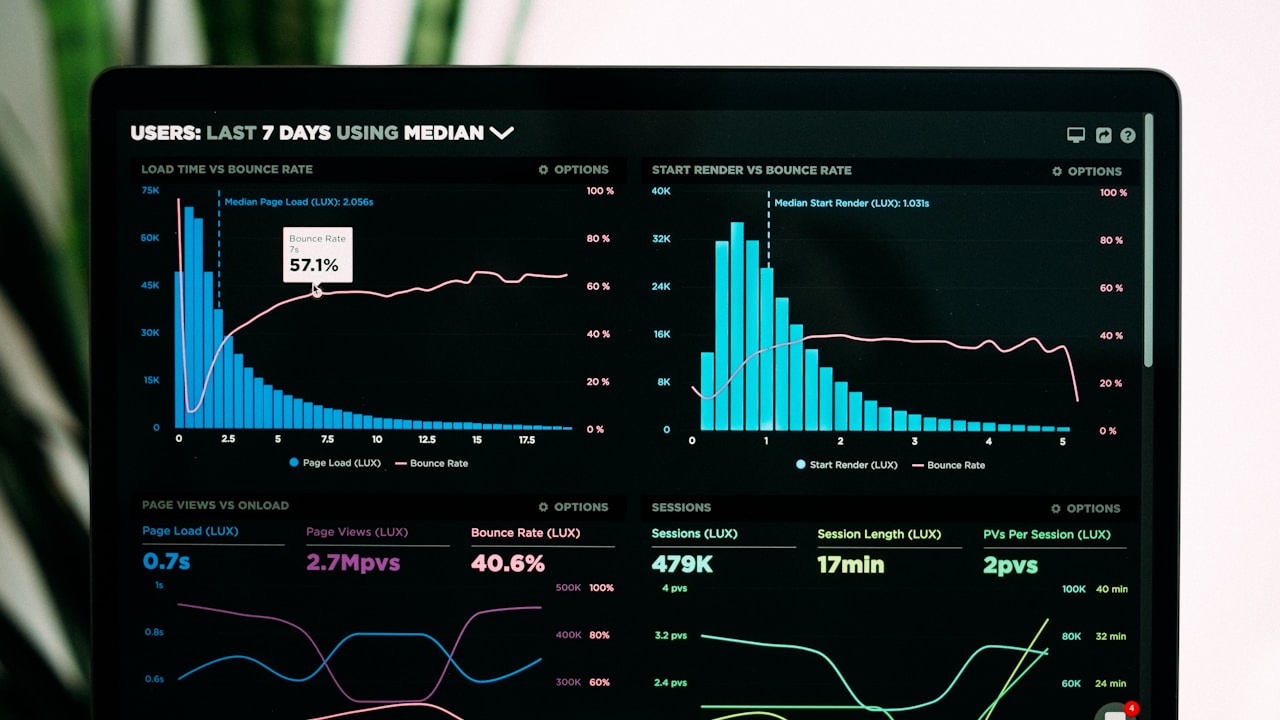
A website that takes longer than three seconds to load loses more than half its visitors. That is not just frustrating, it directly costs you money. Every second of delay measurably reduces your conversion rate.
4. Mobile-first design
More than 65% of your visitors come via a smartphone. If your website does not work optimally on mobile, you lose two-thirds of your potential customers.
5. Trust signals in the right places
People buy from businesses they trust. On a website you build trust with concrete signals:
- Customer reviews and testimonials: Real quotes with names and companies carry weight
- Certifications and badges: Industry marks, Google Partner badges, ISO certifications
- Case studies: Show what you have achieved for similar clients
- Numbers and statistics: "150+ projects delivered" or "98% client satisfaction" are powerful persuaders
- Transparent contact details: A phone number, email address and office location show you are a real business
6. Visual hierarchy that guides the eye
Good web design guides your visitor's eye to what matters. You do this with visual hierarchy: the interplay of size, colour, whitespace and contrast.
7. Forms that invite rather than intimidate
The contact form is often the last hurdle before a conversion. Effective forms only ask for what is needed, show clear labels and provide feedback after submission.
From beautiful to effective
A website that converts is no coincidence. It is the result of deliberate choices in design, content and technology. The seven points in this article are not nice-to-haves, they are the foundations of a website that truly contributes to your business growth.
Need help optimising your website for conversion? Get in touch, we are happy to help.